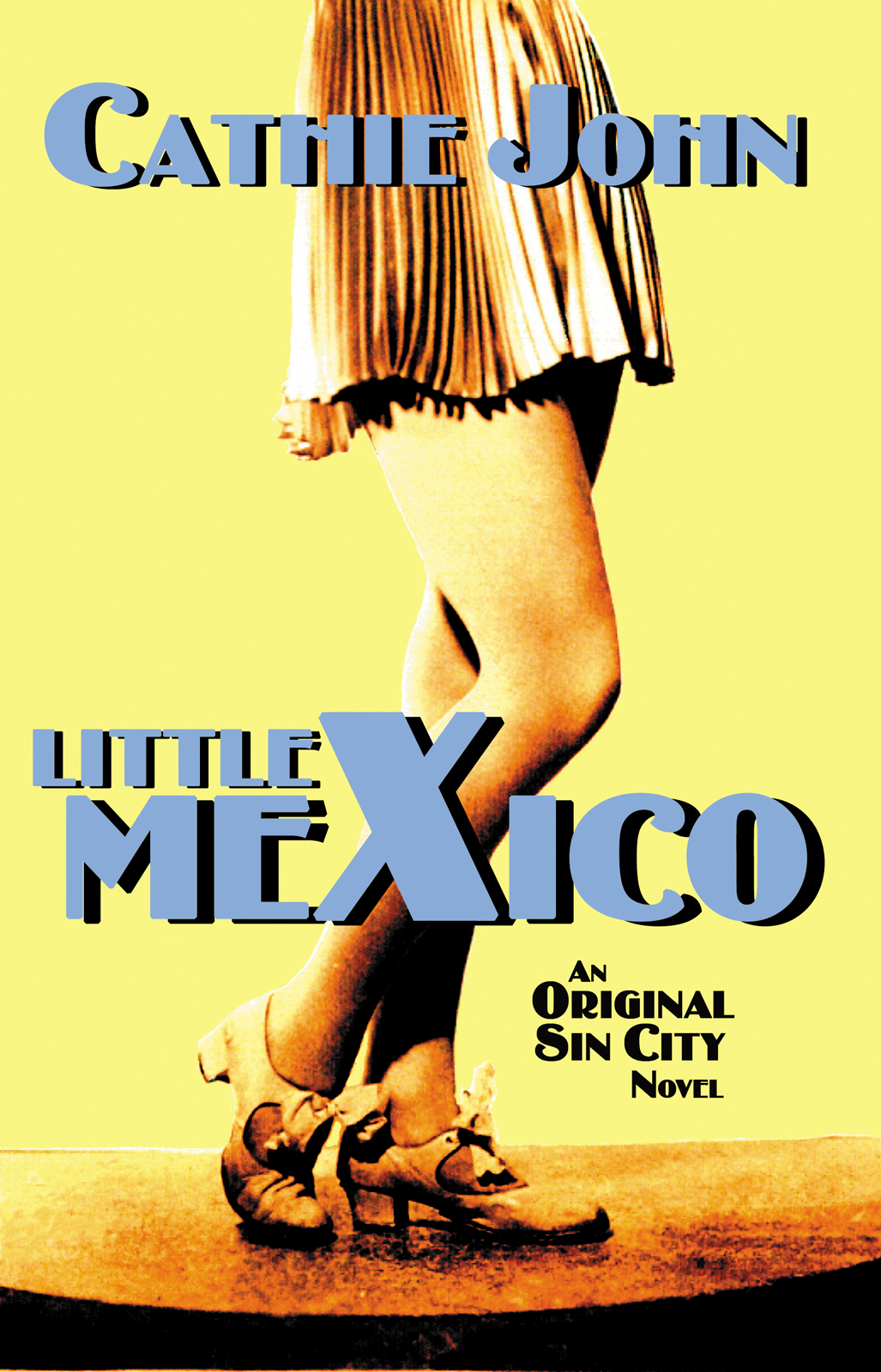
Here is our shameless self-promotion for our eBook edition of LITTLE MEXICO.
Available on Amazon. http://www.amazon.com/dp/B00F4IS2Y4Monday, September 16, 2013
Sunday, September 15, 2013
TALKING ABOUT LOGLINES #1
What is a successful Logline? What's its purpose?
The answer remained a mystery to us for a long time. In fact, we didn't even think about its necessity during the time we wrote our first five crime fiction novels. Afterwards, we played around with TV Guide style descriptions, but didn't fully understand the importance of a logline until we were approached by a local film maker who wanted to work with us on developing a Cable TV series based on our historical crime fiction novels...which is a story for another time. But this experience introduced us to the value of having a logline to describe what a story is all about.
A logline is the basic story seed which describes the core conflict that blossoms into a story. It is probably the toughest sentence you'll write for your project be it novel, short story, TV series or motion picture.
Basically it's "who wants what and who/what stands in the way of getting it."
For example: "Small dog wants bone and must fight bigger dog for it."
All stories have a basic protagonist, goal, and antagonist.
This is not simplistic storytelling. But the elements ARE simple. It's the talent of the writer that creates something unique with them, much like a chef uses basic ingredients to create a satisfying meal.
The logline for our novel Little Mexico is: "In the premiere gambling hotspot before Las Vegas, a determined woman struggles against the major mob families to hold on to her glamorous casino."
it all sounds simple, right? Well, it took us almost 30 rewrites to pare it down to this. Usually, a writer first starts with the logline and then develops the project. However, we had written our historical crime fiction novels 13 years ago without a logline and had to remember what had fired us up about doing them.
The inspiration for these stories came while researching Northern Kentucky history for our third "Journals of Kate Cavanaugh" mystery. In that novel, Kate discovers the existence of a long lost uncle who was intimately involved with the illegal casinos in Newport, KY back in the 1940s and 1950s.
We were shocked and surprised at what we found in our research. But back to our point---what was the basic idea on which we built our story of a family running an illegal gamblng establishment? It was the little guy versus the big guys---simple as that. But we had to give it a creative twist that was relevant to the world we wanted to write about, at the same time relatable to a present day audience. The basic idea became Small (mom and pop) Business surviving against Big (mob family) Business in a literally cut throat world. Then "mom and pop" became a "determined woman" since "Pop" has been shot and lies in a coma for most of the book.
Creating a novel is very much like building a house. John is very good at putting up the basic structure using post-it notes instead of 2 x 4s to block and frame the novel. He writes simple sentences on these scrapes of paper describing the characters' motivations and plot twists, moving them about in a timeline of events until the novel begins to rise up from this solid foundation. Cathie is more inclined to decorating the walls and windows and mulling over what kinds of ornamentals to plant around the foundation. We BOTH enjoy doing that, which makes the task of writing a logline even more difficult.
Back to our present day task: To compress all the elaborate development we had done to that basic idea and restructure the description to shine a light on our unique but still simple story. We had to strip it all back down to its bare bones to show that the idea is solid, then add one or two decorative words that strengthen the concept---not just because they were our "little darlings". For example: John wanted to use the phrase "gritty riverboat town" to describe Newport. Out it went! Cathie wanted "where bullets fly and bodies are dumped into the Ohio River"---gone!
In a future post, we'll parse through our better (but no cigar) versions. Until then, anyone want to try your hand at writing your own?
Sunday, September 8, 2013
Snapshot of History
One of the fascinating aspects of doing historical research for a particular time period, is getting a glimpse back into time. There's a great deal of satisfaction in being able to use the information to set the stage for a fictional story that is woven into that by-gone world. Here is a photo of the notorious Glenn Rendezvous club, which plays a prominent rule in "Little Mexico". In the novel's opening scene, the prostitute Claudette takes a break from servicing her clients, looks out her window at this very club and describes the seedy existence she wants to escape from.
Friday, August 30, 2013
We're Back!
As some of you may already know, we are John and Cathie Celestri blending our writing talents into the voice that is Cathie John. We've been together as husband and wife since late 1979; and have been writing together on and off since 1996. We authored and self published five crime fiction novels back in 1997 through 2003.
A lot has changed in publishing since we were last active in the crime fiction community. We are starting to catch up on the new realities of the literary marketplace. When we self published back in the mid-1990s and early 2000s, the process was looked upon as "vanity press", writers not good enough for the major publishers and book chains…except we actually were a small independent publisher. We handled our own writing, editing, layout, cover art, etc, and used a service to print our books in trade paperback and hardcover. We were distributed through both Ingram and Baker & Taylor, and were stocked in brick and mortar stores such as Barnes & Noble, many independent mystery bookstores, and on Amazon. Our novels got great reviews in The Chicago Tribune, Cincinnati Enquirer, Publishers Weekly, Booklist, Library Journal, and all the mystery review publications. Our crime fiction novel "Little Mexico" was a finalist for the Barry Award in 2001 as Best Paperback Original.
Circumstances forced us to stop in late 2003, but we are now ready to relaunch our writing careers, publish our efforts as ebooks, write our crime fiction stories, and re-issue our five novel back list over the next year or so.
Our first re-issue will be "Little Mexico." When it was first published, the thought of being accepted as real writers was a dream --- now self published authors are on The New York Times and USA Best Seller lists. It seems the playing field has been changed by ePublishing.
"Little Mexico" should be available on Amazon in four weeks.
Instead of us blowing our own horn about this novel, here is what was said when it was originally published:
"This series explores Newport's reign as 'Sin City, U.S.A.' ... historical grounding is excellent and provides a fascinating look at how a little city found notoriety as a haven for gambling, prostitution and other crime." —Bob Hahn, Cincinnati Post
"Strong on conflict. It's no insult to describe Little Mexico as Dynasty meets the Phenix City Story. There are beautiful, sexy, willful women, strapping, determined young men, sleazy henchmen, calculating villains, and an indomitable matron who will go to any lengths to protect her family and their casino. Throw in ambushes, call girls, corruption, assault, murder, tarot cards and a variation of the cement overcoat called a Newport Nightgown and you have a funky, lowlife pleasure. Cathie John does a good job with a variety of characters, the action is swift and uninterrupted and the final scene puts one character in an entirely shocking new light that will bring readers back for subsequent volumes." —Drood Review
We will use this forum to share our knowledge about what makes for entertaining storytelling. We'll talk about how you get started putting together the elements of a story. For example, which comes first? The chicken or the egg? Do you start with plot or character? How does the setting play an integral part in the dynamics of the story? When do you show? When do you tell?
These are just a few of the topics we will explore. Hope you come back.
A lot has changed in publishing since we were last active in the crime fiction community. We are starting to catch up on the new realities of the literary marketplace. When we self published back in the mid-1990s and early 2000s, the process was looked upon as "vanity press", writers not good enough for the major publishers and book chains…except we actually were a small independent publisher. We handled our own writing, editing, layout, cover art, etc, and used a service to print our books in trade paperback and hardcover. We were distributed through both Ingram and Baker & Taylor, and were stocked in brick and mortar stores such as Barnes & Noble, many independent mystery bookstores, and on Amazon. Our novels got great reviews in The Chicago Tribune, Cincinnati Enquirer, Publishers Weekly, Booklist, Library Journal, and all the mystery review publications. Our crime fiction novel "Little Mexico" was a finalist for the Barry Award in 2001 as Best Paperback Original.
Circumstances forced us to stop in late 2003, but we are now ready to relaunch our writing careers, publish our efforts as ebooks, write our crime fiction stories, and re-issue our five novel back list over the next year or so.
Our first re-issue will be "Little Mexico." When it was first published, the thought of being accepted as real writers was a dream --- now self published authors are on The New York Times and USA Best Seller lists. It seems the playing field has been changed by ePublishing.
"Little Mexico" should be available on Amazon in four weeks.
"This series explores Newport's reign as 'Sin City, U.S.A.' ... historical grounding is excellent and provides a fascinating look at how a little city found notoriety as a haven for gambling, prostitution and other crime." —Bob Hahn, Cincinnati Post
"Strong on conflict. It's no insult to describe Little Mexico as Dynasty meets the Phenix City Story. There are beautiful, sexy, willful women, strapping, determined young men, sleazy henchmen, calculating villains, and an indomitable matron who will go to any lengths to protect her family and their casino. Throw in ambushes, call girls, corruption, assault, murder, tarot cards and a variation of the cement overcoat called a Newport Nightgown and you have a funky, lowlife pleasure. Cathie John does a good job with a variety of characters, the action is swift and uninterrupted and the final scene puts one character in an entirely shocking new light that will bring readers back for subsequent volumes." —Drood Review
WHAT'S THE PURPOSE OF THIS BLOG?
We will use this forum to share our knowledge about what makes for entertaining storytelling. We'll talk about how you get started putting together the elements of a story. For example, which comes first? The chicken or the egg? Do you start with plot or character? How does the setting play an integral part in the dynamics of the story? When do you show? When do you tell?
These are just a few of the topics we will explore. Hope you come back.
Subscribe to:
Posts (Atom)